


Do you know how to get an EPC certificate, and why it’s important to the selling, and renting of your property. An energy performance certificate is a legal requirement, and carries a lot of weight. To obtain one isn’t difficult, but like many things in our world, there’s the right way, and the wrong way!
In this post you’ll learn how to get an EPC certificate the right way, and why! To be in the know read on.
How To Get An EPC Certificate
Ever stared at an EPC certificate and wondered what those letters actually mean, and why everyone suddenly cares so much about them? If you’re selling, renting, or even just planning ahead, understanding how to get an EPC certificate (and how to use it properly) gives you a serious edge.
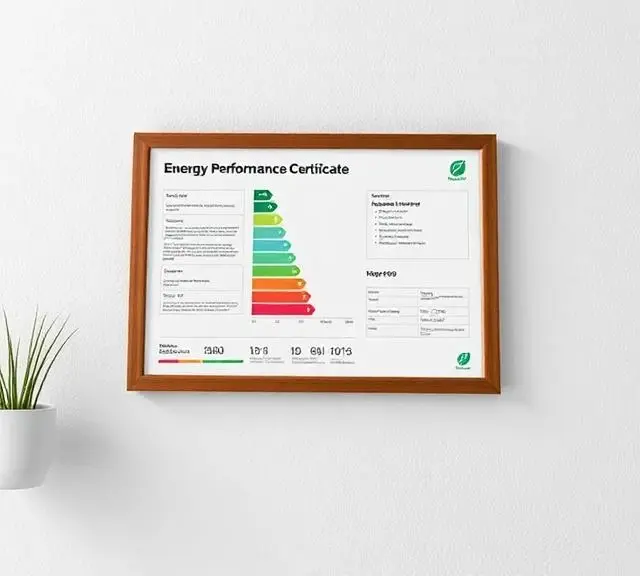
An EPC, or Energy Performance Certificate, is essentially your property’s energy report card. It grades how energy‑efficient a building is on a scale from A (very efficient) to G (very inefficient) and outlines both current performance and realistic improvements. Beyond compliance, it influences buyer confidence, rental appeal, energy bills, and long‑term property value.
This guide explains exactly how to get an EPC certificate, why it matters, what assessors look for, how much it costs, and how to use it strategically.

What Is an EPC Certificate and Why Does It Matter?
An EPC certificate is a legally recognised document that measures a property’s energy efficiency and environmental impact. It applies to residential and commercial buildings and is required when a property is sold, rented, or newly built in many countries, including the UK.
How EPC Ratings Work
EPC ratings run from A to G:
- A–B: Highly energy‑efficient, lower utility bills.
- C–D: Average efficiency. (Most UK homes fall here)
- E–G: Inefficient, higher running costs.
The certificate also includes:
- Estimated energy costs.
- Carbon dioxide emissions.
- Recommended improvements ranked by impact and cost.
Why EPC Certificates Are Legally Important
Failing to obtain an EPC certificate when required can result in financial penalties, delays in transactions, and reduced buyer or tenant trust. In some regions, minimum EPC standards now apply to rental properties, meaning poor ratings can legally prevent letting.
The Commercial and Environmental Impact of EPCs
EPCs aren’t just paperwork. They’re part of a broader push toward energy efficiency, reduced emissions, and transparent property marketing. A strong EPC can:
- Increase property value.
- Attract environmentally conscious buyers or tenants.
- Reduce long‑term energy costs.
- Future‑proof your asset against tightening regulations.
How To Get An EPC Certificate – Step‑by‑Step Process
Getting an EPC certificate is straightforward when you know the steps. Here’s a clear breakdown of how to get an EPC certificate without delays or surprises.
Step 1: Find a Registered EPC Assessor
Only an accredited energy assessor can issue a valid EPC certificate. Always verify that your assessor is registered with an official governing body. Using an unregistered assessor can render the certificate invalid.
Tip: Compare a few assessors locally, prices and availability can vary.
Step 2: Prepare Your Property for the EPC Assessment
Preparation helps ensure accuracy. Before the visit:
- Gather records of recent upgrades. (Boilers, insulation, windows)
- Ensure loft access is clear.
- Make sure meters and heating systems are accessible.
The goal is to help the assessor capture your property’s true energy performance.
Step 3: What Happens During an EPC Assessment?
During the assessment, the assessor will inspect:
- Wall, roof, and floor insulation.
- Heating systems and controls.
- Windows and glazing type.
- Lighting efficiency.
- Renewable energy installations. (If any)
Most assessments take 30 minutes to 2 hours, depending on property size and complexity.
Step 4: Receiving Your EPC Certificate
After the visit, your EPC certificate is typically issued within a few days and lodged on a central register. It remains valid for 10 years, unless major energy‑impacting renovations are made.
How Much Does It Cost To Get an EPC Certificate?
The cost of learning how to get an EPC certificate is refreshingly reasonable.
Typical price ranges:
- Small flats: £60–£80
- Average houses: £80–£120
- Large or complex properties: £120+
Costs depend on:
- Property size and type.
- Location.
- Assessor availability.
While price matters, accuracy and legitimacy matter more. A poor‑quality EPC can undervalue your property.
How To Get An EPC Certificate With a Higher Rating
Once you know how to get an EPC certificate, the next goal is improving it.
Quick Wins That Boost EPC Scores
- Switch to LED lighting.
- Seal drafts around doors and windows.
- Install a smart thermostat.
High‑Impact Improvements
- Upgrade loft and wall insulation.
- Replace inefficient boilers.
- Install double or triple glazing.
- Add solar panels or heat pumps.
These improvements often deliver strong ROI through lower bills and higher resale or rental appeal.
Using Your EPC Certificate to Sell or Rent Faster
A strong EPC rating is a powerful marketing asset.
How EPC Ratings Influence Buyers and Tenants
Modern buyers and renters care deeply about running costs. A good EPC:
- Builds trust.
- Signals responsible ownership.
- Differentiates your listing.
Minimum EPC Standards for Landlords
In many regions, rental properties must meet minimum EPC thresholds. Understanding how to get an EPC certificate early helps landlords avoid compliance issues that can halt lettings entirely.

How To Get An EPC Certificate – Mistakes to Avoid
Even simple processes have pitfalls.
- Using unregistered assessors.
- Failing to document upgrades.
- Ignoring improvement recommendations.
- Letting certificates expire.
Avoiding these mistakes saves time, money, and stress.
Grants, Incentives, and Financial Support
Many governments offer grants or incentives for energy‑efficiency upgrades. These can significantly reduce the cost of improving your EPC rating and should be explored before undertaking major works.
Final Thoughts – Why Knowing How To Get An EPC Certificate Matters
Understanding how to get an EPC certificate is no longer optional, it’s a core part of owning, selling, or renting property responsibly. Beyond compliance, it’s about control: control over energy costs, marketability, and long‑term value.
A well‑managed EPC doesn’t just tick a legal box, it positions your property for a smarter, greener, and more profitable future. Now you know how to get an EPC certificate, book yours now.
East Midlands Property Compliance.

Leave a Reply